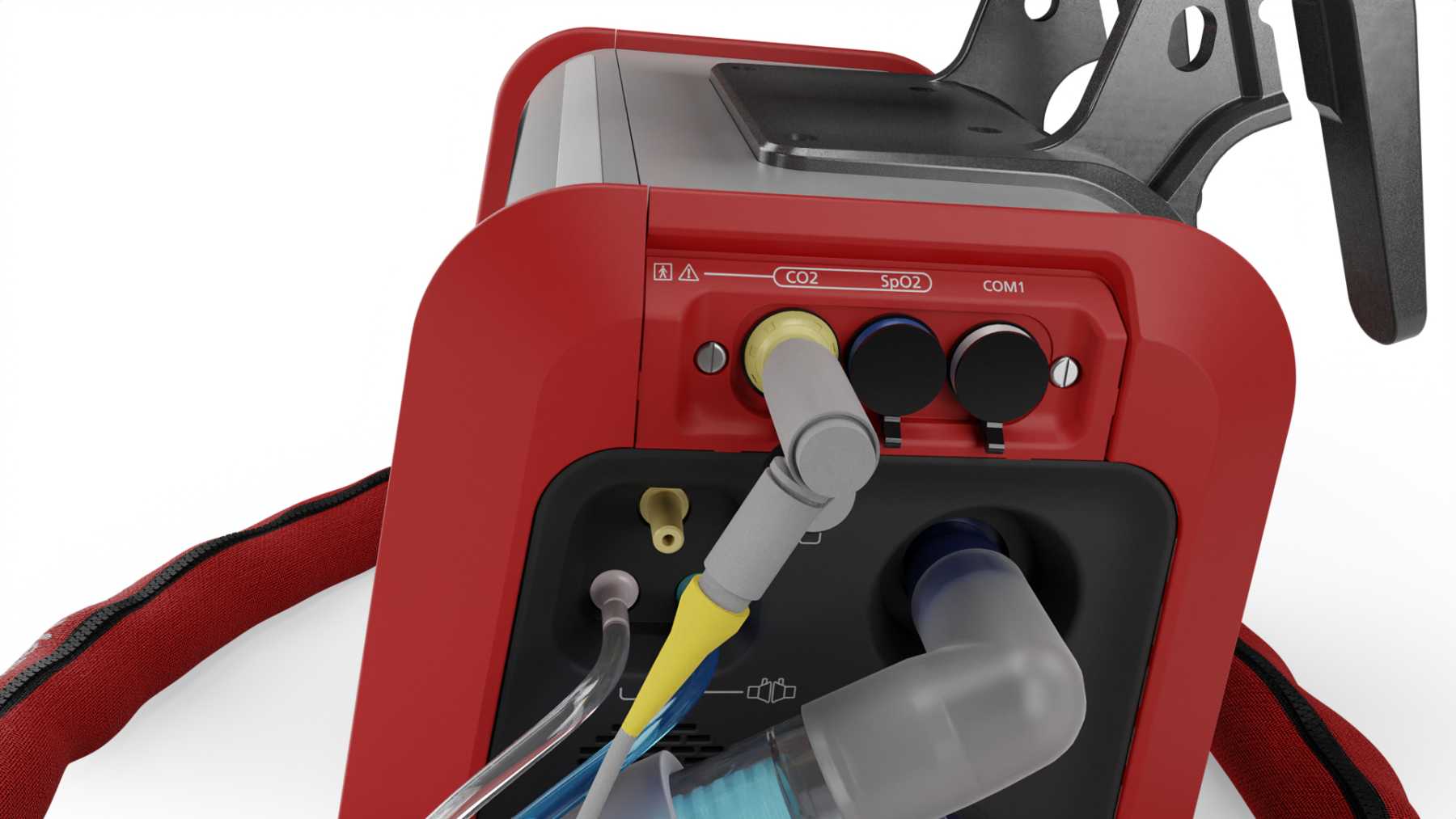
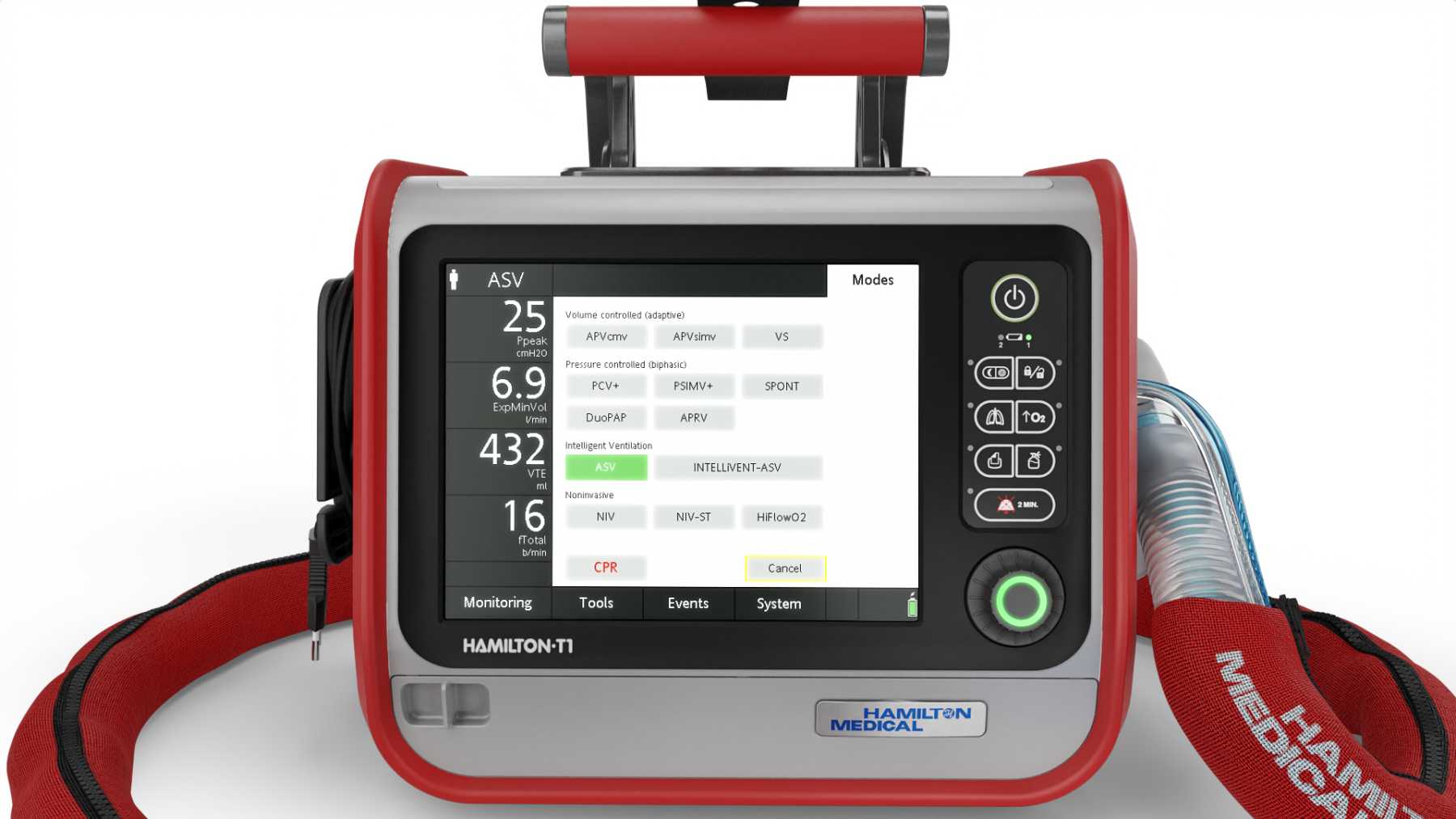
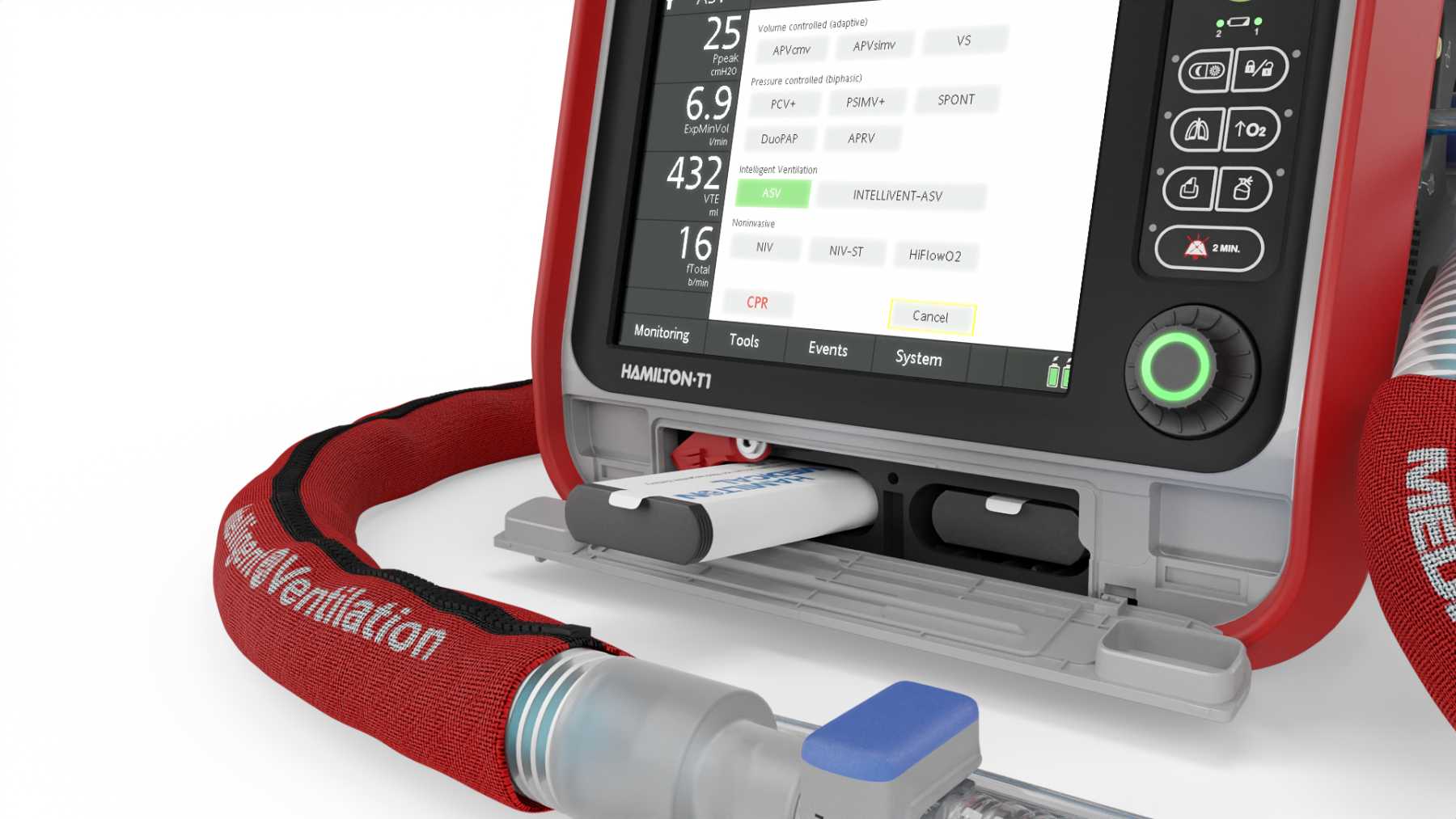
The HAMILTON T1 ventilator is the first fully featured invasive ventilator built with a compact and rugged design optimized for transport. This combination allows users to optimize clinical ventilation therapy for all patient populations throughout transport.
Approved and certified for use on ambulances, helicopters, and airplanes
Adult, pediatric, and neonatal ventilation
Integrated compressed air source
Battery runtime of up to 9 hours
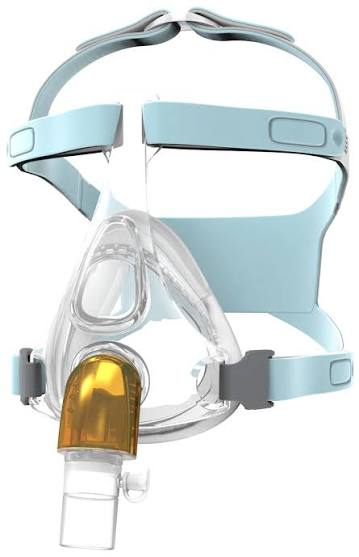
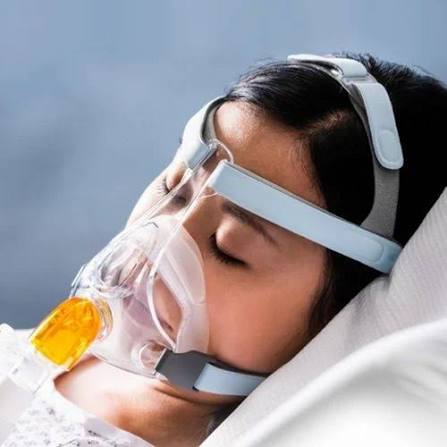
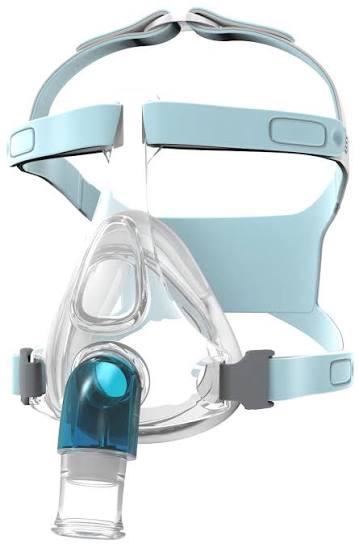
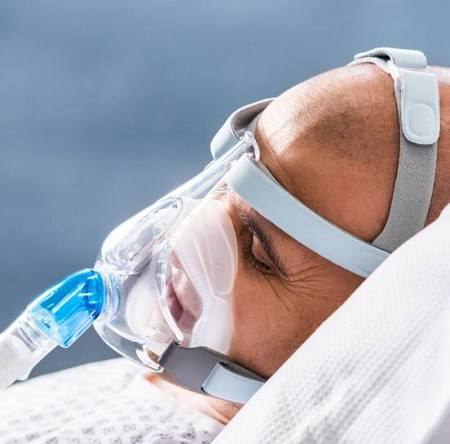
Integrated noninvasive ventilation and high flow oxygen therapy
Advanced ventilation modes, including ASV® and INTELLiVENT®ASV
CPR ventilation support
Digital solution for respiratory care via the Hamilton Connect Module and App
Also available in: Tiếng Việt
KEY TECHNICAL FEATURES
Integrated internal turbine for high pressure air generation
Peak flow up to 260 L/min
Automatic leak compensation function (IntelliTrig)
Dynamic Lung display: real time animated lung visualization
Vent Status display (visualization of patient ventilation status): weaning assessment
On screen troubleshooting assistance
VENTILATION MODES
Volume controlled mandatory ventilation with automatic pressure adaptation (APVcmv / (S)CMV+)
Synchronized intermittent mandatory ventilation with volume control and automatic pressure adaptation (APVsimv / SIMV+)
Volume Support (VS)
Pressure Controlled Ventilation (PCV+)
Pressure Controlled Synchronized Intermittent Mandatory Ventilation (PSIMV+)
Dual Positive Airway Pressure (DuoPAP)
Airway Pressure Release Ventilation with inverse ratio (APRV)
Spontaneous mode (SPONT)
Adaptive Support Ventilation (ASV)
Intelligent Adaptive Support Ventilation (IntelliVENT ASV)
Noninvasive Ventilation (NIV)
Noninvasive Ventilation with Backup Rate (NIV ST)
High Flow Oxygen Therapy mode (HiFlowO2)
MONITORED PARAMETERS
LUNG MECHANICS
Cstat (ml/cmH2O): Static compliance
P0.1 (cmH2O): Airway occlusion pressure
PTP (cmH2O*sec): Pressure time product
RCexp (sec): Expiratory time constant
Rinsp (cmH2O/(L/sec)): Inspiratory resistance
RSB (1/(L*min)): Rapid shallow breathing index
PRESSURE
AutoPEEP (cmH2O): Intrinsic positive end expiratory pressure
ΔP (cmH2O): Inspiratory driving pressure
PEEP/CPAP (cmH2O): Positive end expiratory pressure / continuous positive airway pressure
Pinsp (cmH2O): Inspiratory airway pressure
Pmean (cmH2O): Mean airway pressure
Ppeak (cmH2O): Peak airway pressure
Pplateau (cmH2O): Plateau pressure
Pprox (cmH2O): Airway pressure measured at the flow sensor
VOLUME
ExpMinVol or MinVol NIV (L/min): Expiratory minute ventilation
MVSpont or MVSpont NIV (L/min): Spontaneous expiratory minute ventilation
VTE or VTE NIV (ml): Expiratory tidal volume
VTESpont (ml): Spontaneous breath expiratory tidal volume
VTI: Inspiratory tidal volume
Vt/IBW: Tidal volume per ideal body weight (IBW) for adult and pediatric patients
Vt/Weight (ml/kg): Tidal volume per actual body weight for neonatal patients
VLeak (%): Leak volume as a percentage
MVleak (L/min): Total leak volume per minute
FLOW
Insp Flow (L/min): Maximum peak inspiratory flow of a spontaneous or mandatory breath
Exp Flow (L/min): Peak expiratory flow
Flow (L/min): Flow delivered to the patient in flow controlled mode
TIME
I:E: Inspiratory to expiratory time ratio
fControl (breaths/min): Mandatory respiratory rate
fSpont (breaths/min): Spontaneous respiratory rate
fTotal (breaths/min): Total respiratory rate
TI (sec): Inspiratory time
TE (sec): Expiratory time
CPR timer: Ventilation time during CPR
CO2 MONITORING
FetCO2 (%): End tidal carbon dioxide concentration
PetCO2 (mmHg): End tidal carbon dioxide partial pressure
slopeCO2 (%CO2/L): Slope indicating alveolar pressure on the PetCO2 curve, reflecting lung volume/flow status
Vtalv (ml): Alveolar tidal volume
V'alv (L/min): Alveolar minute ventilation
V'CO2 (ml/min): Expired carbon dioxide flow
VDaw (ml): Airway dead space
VDaw/VTE (%): Ratio of dead space at the patient wye connector to VTE
VeCO2 (ml): Expired CO2 volume
ViCO2 (ml): Inspired CO2 volume
SPO2 MONITORING
SpO2 (%): Blood oxygen saturation (numeric value)
Plethysmogram: SpO2 waveform
Pulse (beats/min): Heart rate
SpO2/FiO2 (%): SpO2/FiO2 ratio, approximating the PaO2/FiO2 ratio but measurable noninvasively and continuously
OSI: Oxygen saturation index
PI (%): Perfusion index
PVI (%): Pleth variability index
DATA STORAGE CAPACITY
Trend display (1 to 72 hours) & Loop display (Pressure/Volume, Pressure/Flow, Volume/Flow)