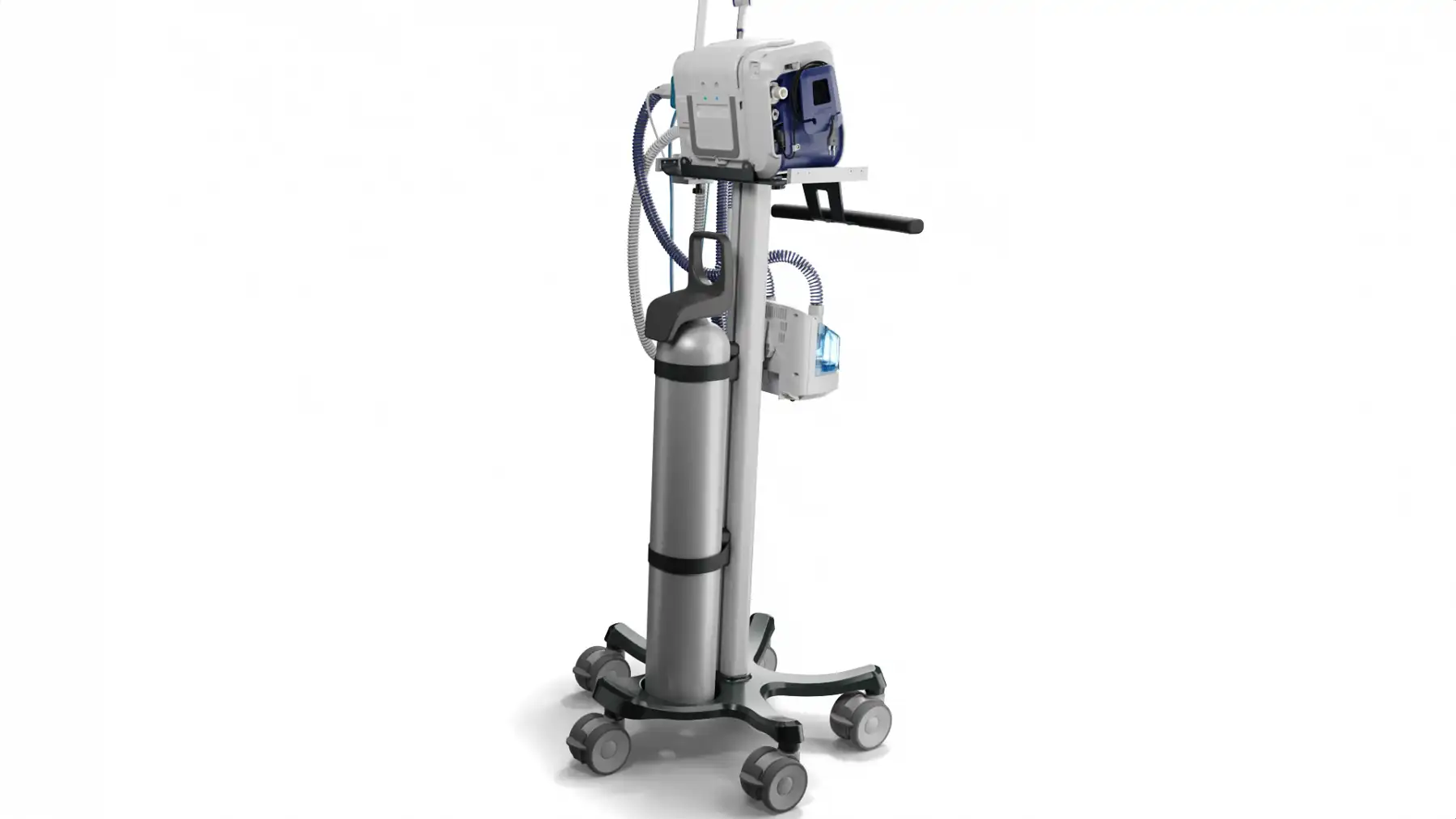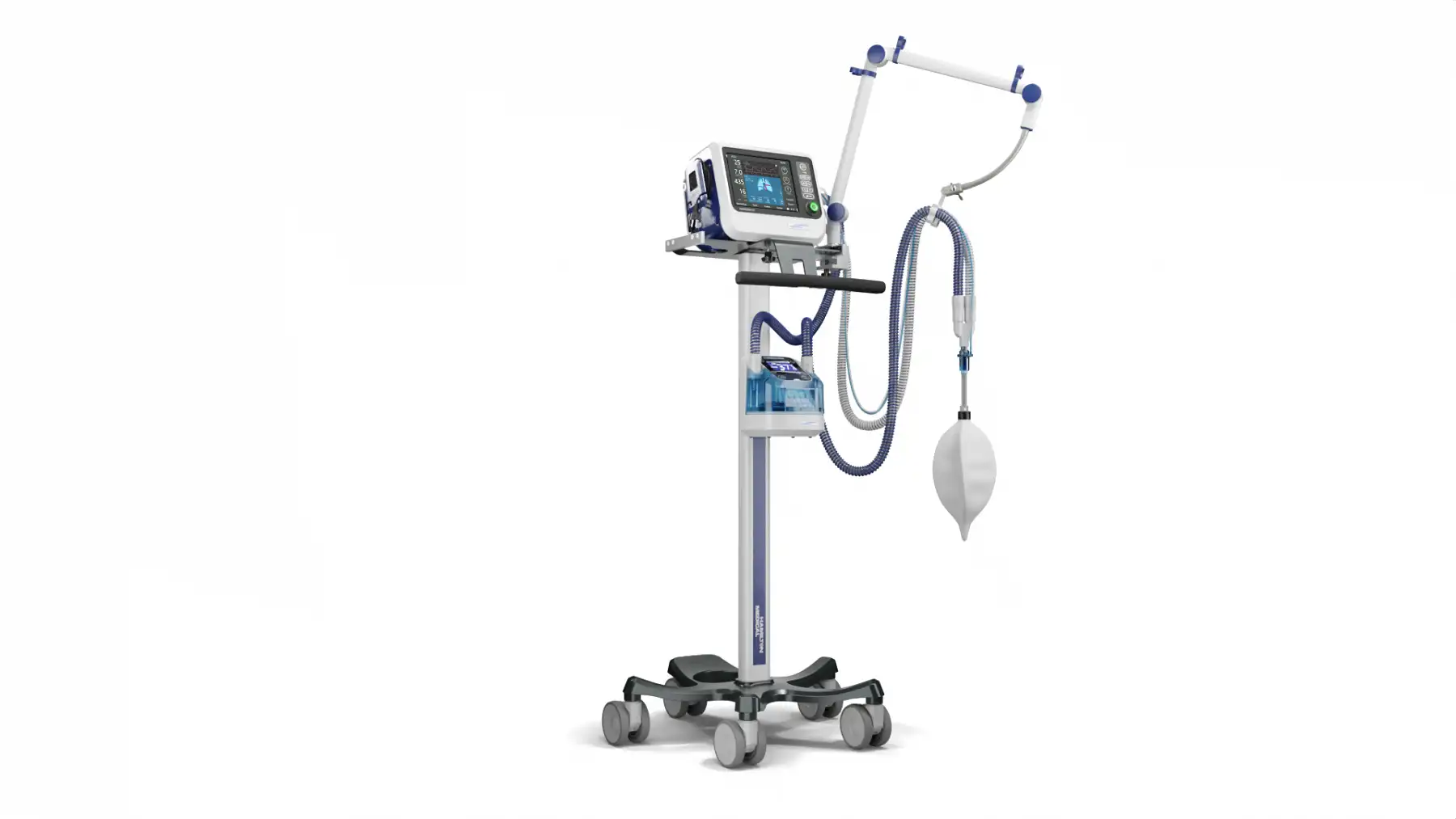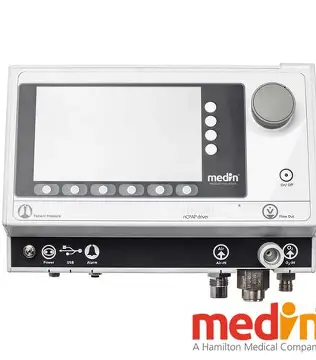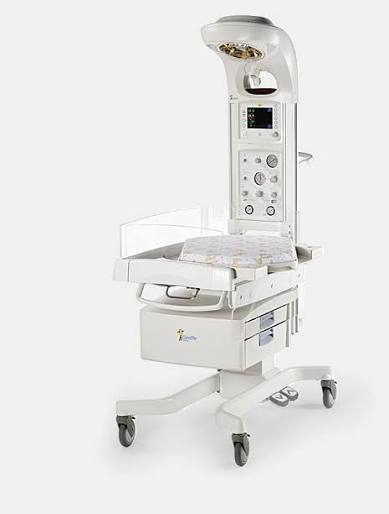
Máy thở cao cấpHAMILTON-C3
Hamilton Medical
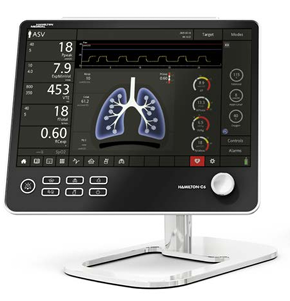
The new HAMILTON C6 is more than a collection of individual features. It is a comprehensive solution designed to support your clinical workflow. It assists you at every stage of the patient care journey, allowing you to focus on what matters most — your patients.
Advanced ventilation modes for adult, pediatric, and neonatal patients
Adaptive lung protective ventilation ASV® and INTELLiVENT® ASV
Real time patient synchronization IntelliSync®+
High performance noninvasive ventilation
High flow oxygen therapy
P/V Tool® for alveolar assessment and recruitment
Transpulmonary pressure measurement
O2 Assist
Integrated IntelliCuff® pressure controller
Remote access to humidifier controls and status
Also available in: Tiếng Việt
Ventilation for pediatric and adult patients from 4 kg body weight.
Color TFT display with a screen size of at least 17 inches.
Integrated air compressor (Compressor) built into the ventilator.
Time based waveform display including Pressure, Flow, and Volume.
Loop displays including Pressure Volume, Pressure Flow, and Flow Volume.
Trend display for continuously monitored parameters with a history of at least 70 hours.
Visual patient ventilator dependency panel based on at least 6 parameters.
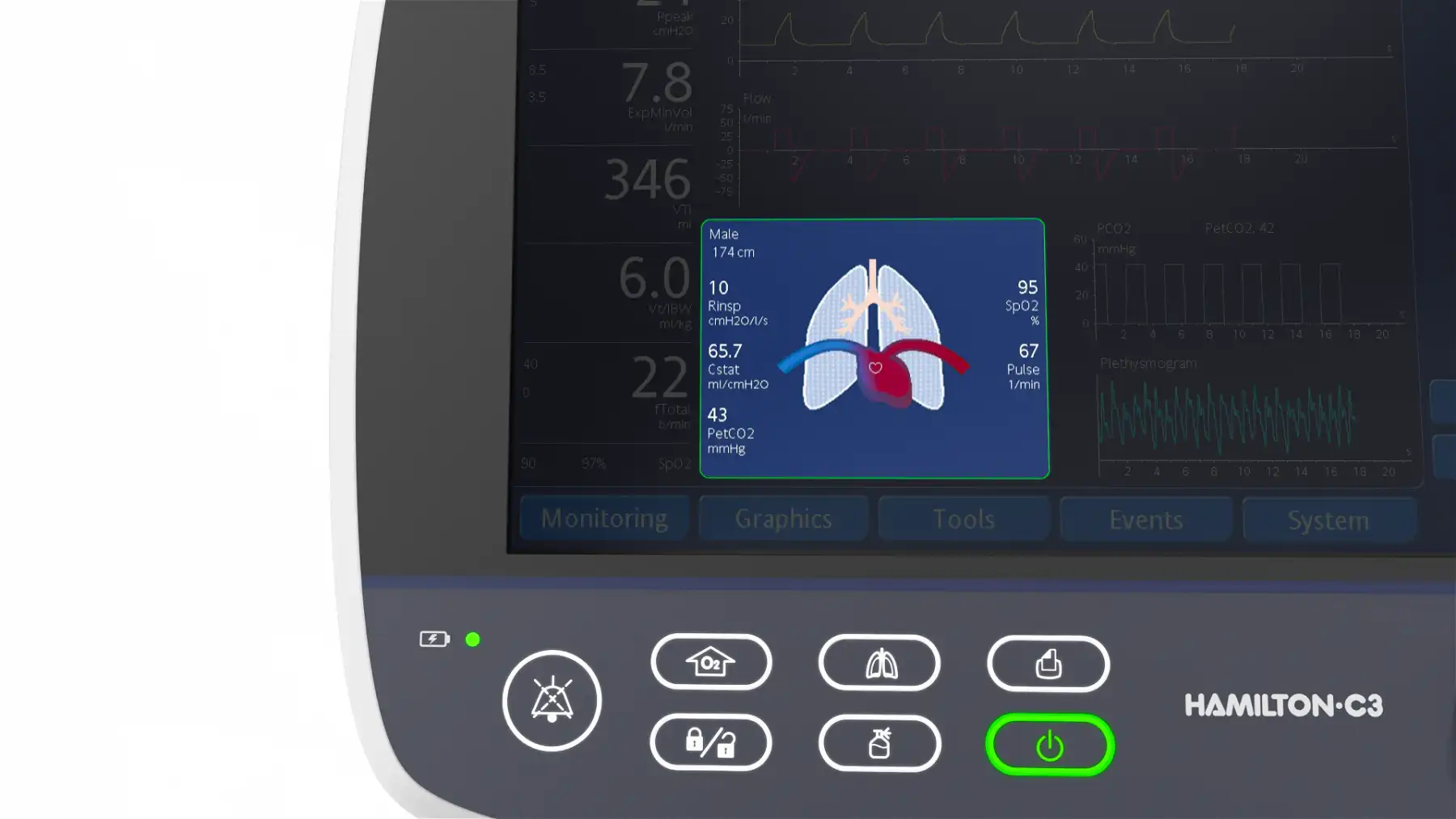
Real time animated lung display providing visualization of tidal volume, lung compliance, airway resistance, and patient triggering.
Dedicated lung protection panel displaying key lung protective parameters and their target thresholds.
Integrated software for alveolar recruitment assessment and recruitment maneuvers.
Event history with at least 10,000 events including date and time stamps.
CPR ventilation mode.
Automatic leak compensation.
Internal battery operating time of at least 100 minutes.
EtCO₂ and SpO₂ monitoring.
Automatic FiO₂ adjustment based on the patient's SpO₂ signal.
Automatic setting and synchronization of inspiratory and expiratory trigger thresholds.
(S)CMV or equivalent: Mandatory volume controlled breaths including patient triggered mandatory breaths.
SIMV or equivalent: Mandatory volume controlled breaths combined with pressure supported spontaneous breaths.
APVcmv or (S)CMV+ or equivalent: Mandatory volume targeted ventilation.
APVsimv or SIMV+ or equivalent: Mandatory volume targeted ventilation combined with pressure supported spontaneous breaths.
VS or equivalent: Spontaneous breaths with guaranteed target tidal volume support.
PCV+ or equivalent: All breaths whether patient triggered or ventilator initiated are pressure controlled mandatory breaths.
P SIMV+ or equivalent: Mandatory pressure controlled breaths combined with pressure supported spontaneous breaths.
DuoPAP or equivalent: Pressure controlled ventilation allowing spontaneous breathing at both pressure levels.
APRV or equivalent: Continuous spontaneous breathing with pressure release between pressure levels contributing to ventilation.
SPONT or equivalent: All breaths are spontaneous with or without pressure support.
User sets Minute Volume target as percentage of MinVol together with PEEP and Oxygen. The ventilator automatically adjusts respiratory rate, tidal volume, inspiratory pressure, and inspiratory expiratory ratio according to the patient's respiratory mechanics.
NIV or equivalent: Every spontaneous breath is patient triggered and pressure supported.
NIV ST or equivalent: Patient triggered spontaneous breathing with an adjustable backup respiratory rate for mandatory breaths.
HiFlowO₂ or equivalent: High flow oxygen therapy without ventilatory support.
Peak inspiratory flow of at least 260 L/min.
Maximum operating pressure of at least 100 cmH₂O.
Oxygen blender accuracy of ± (2.5% volume + 2.5% measured value).
Apnea
High or low oxygen concentration
High or low airway pressure
Patient ventilator disconnection
Oxygen gas supply failure
Low battery or external power failure
High or low respiratory rate
High or low tidal volume
Apnea backup On Off
Two inspiratory trigger types Pressure and Flow
Expiratory Trigger Sensitivity ETS from ≤ 5% to at least 80%
Inspiratory Expiratory ratio from 1:9 to at least 4:1
Oxygen concentration from 21% to 100%
PEEP CPAP from 0 to at least 50 cmH₂O
Pressure rise time P ramp from 0 to at least 2000 ms
Respiratory rate from 1 to at least 100 breaths/min
Sigh breaths On Off
Inspiratory time from ≤ 0.1 to at least 12 seconds
Maximum inspiratory time from ≤ 0.5 to at least 3 seconds
Flow trigger from ≤ 0.5 to at least 20 L/min
Tidal volume from 20 to at least 2000 mL
Pressure control from ≤ 5 to at least 100 cmH₂O
Inspiratory pressure from ≤ 3 to at least 100 cmH₂O
Pressure support from 0 to at least 100 cmH₂O
PEEP and CPAP
Intrinsic PEEP AutoPEEP
Inspiratory pressure ΔPinsp
Mean airway pressure Pmean
Peak airway pressure Ppeak
Plateau pressure Pplateau
Driving pressure
Peak inspiratory flow for spontaneous or mandatory breaths
Peak expiratory flow
Expiratory minute volume
Spontaneous expiratory minute volume
Expiratory tidal volume
Inspiratory tidal volume
Spontaneous expiratory tidal volume
Leak percentage
Tidal volume per predicted body weight Vt/kg
Inspiratory expiratory ratio
Mandatory respiratory rate
Spontaneous respiratory rate
Total respiratory rate
Inspiratory time
Expiratory time
Static compliance
Airway occlusion pressure P0.1
Expiratory time constant
Inspiratory resistance
Rapid shallow breathing index RSBI
Dynamic mechanical power required to inflate the lungs per minute.
Resistive mechanical power required to overcome airway resistance.
Static mechanical power required to maintain lung inflation.
Total mechanical power transferred from the ventilator to the patient's respiratory system per minute.